
VBR R&D Biomechanics Lab
6 min read
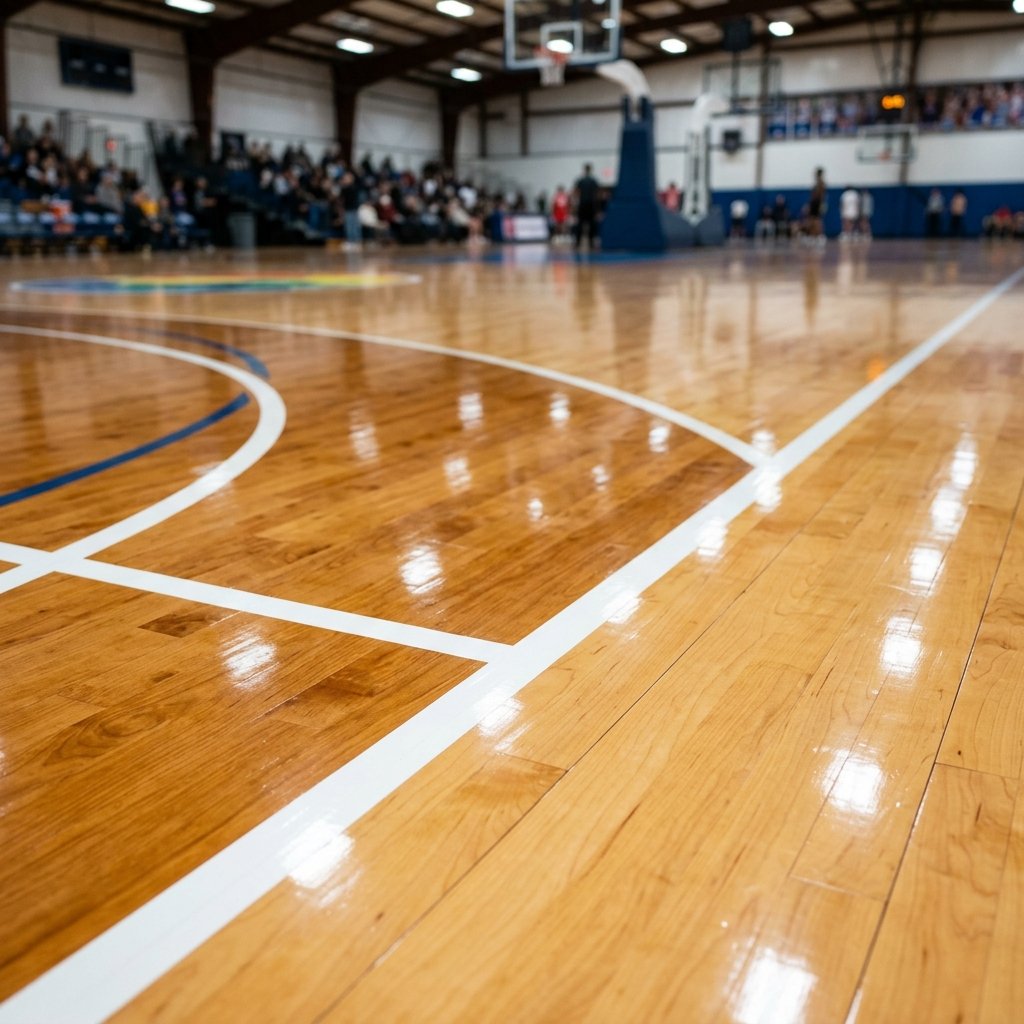
In professional sports field architecture, shock pads are far more than an optional underlayment — they represent the principal safeguard against chronic knee trauma, ankle sprains, and concussion-inducing impact forces.
When an athlete jumps or sprints, kinetic energy is transferred into the surface. Standard FIFA and FIH quality standards require a Force Reduction (FR) rating between 55% and 70%. High-performance shock pads compress elastically to dissipate energy without causing foot instability.
G-max measures the peak deceleration experienced during impact. Hard surfaces exceeding 160 G-max increase concussion risks. An engineered resilient shock pad maintains G-max values between 80 to 110 throughout the field's operational lifespan.
"By decoupling shock absorption from infill depth, shock pads enable cleaner, safer, and lower-infill turf systems."
— VBR Biomechanics Engineering