
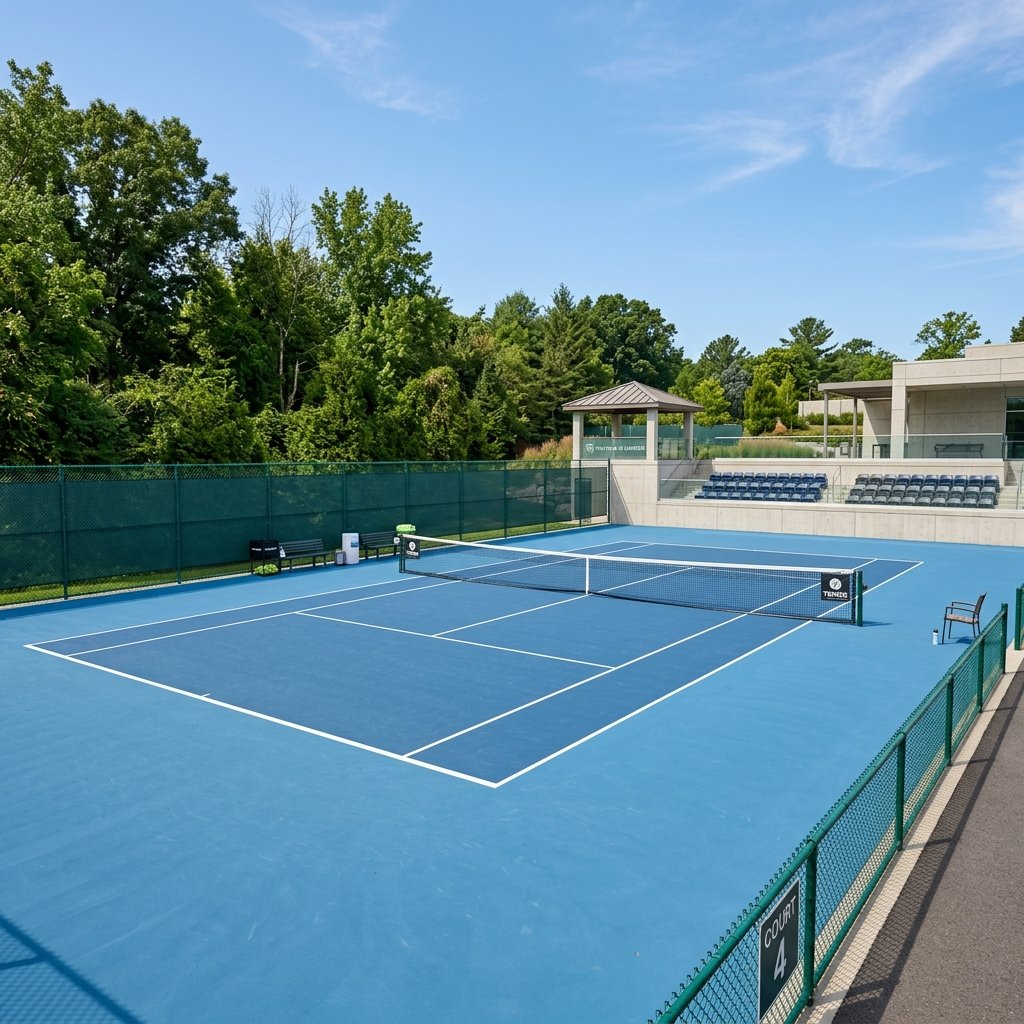
VBR Sportsfields designs and delivers complete Tennis Courts grounds — ICC-standard Court and turf, sub-soil drainage, floodlights, seating and pavilions — on a single turnkey contract. One ground, one team, one accountability, from the survey to grassland.
Tell us about your site. We'll send a feasibility report — orientation, drainage, and a budget band — no obligation.
Tennis demands fast lateral movement, high serve impacts, and true pace. Unreinforced concrete cracking, uncushioned hard surfaces, and leaning net posts ruin playability. Here is what goes wrong without specialized tennis engineering.
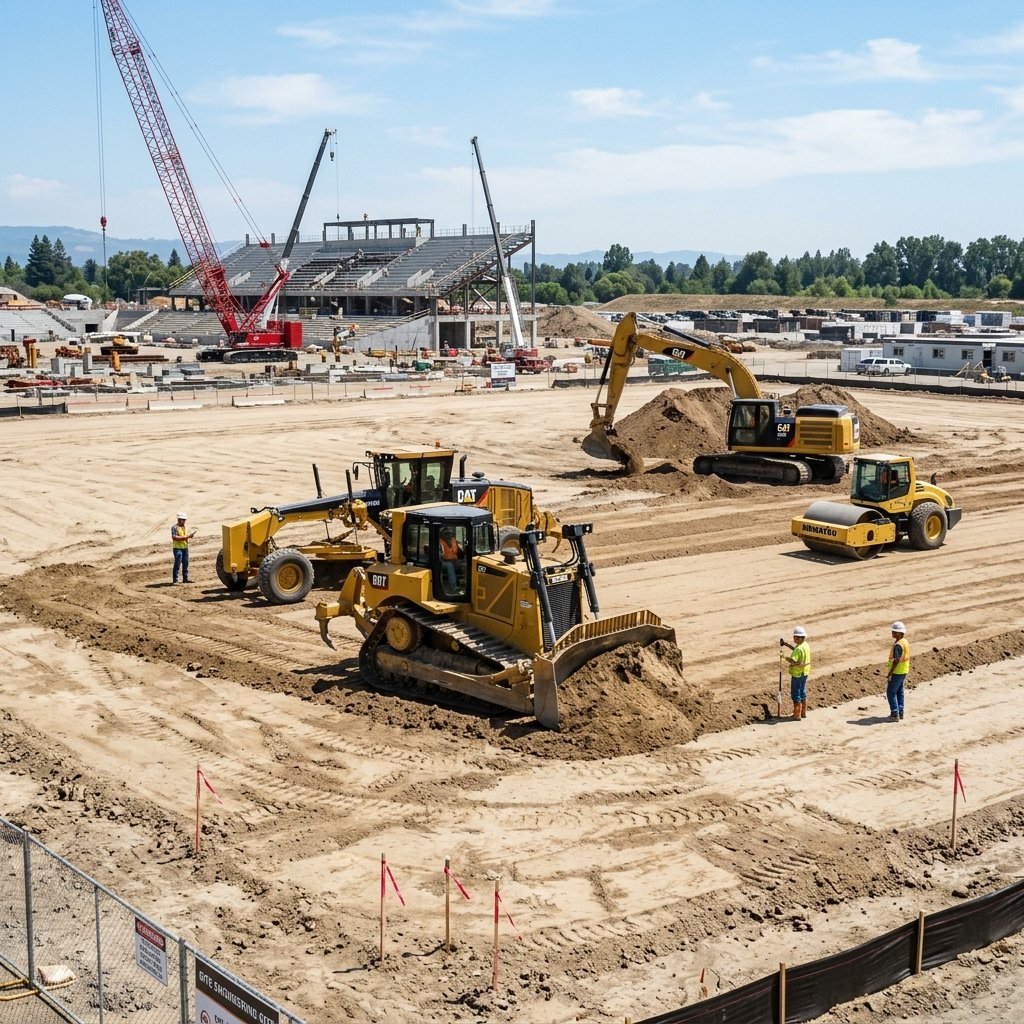
Pouring standard concrete without post-tensioning or proper expansion joints leads to ground movement and structural cracks reflecting through acrylic coats.
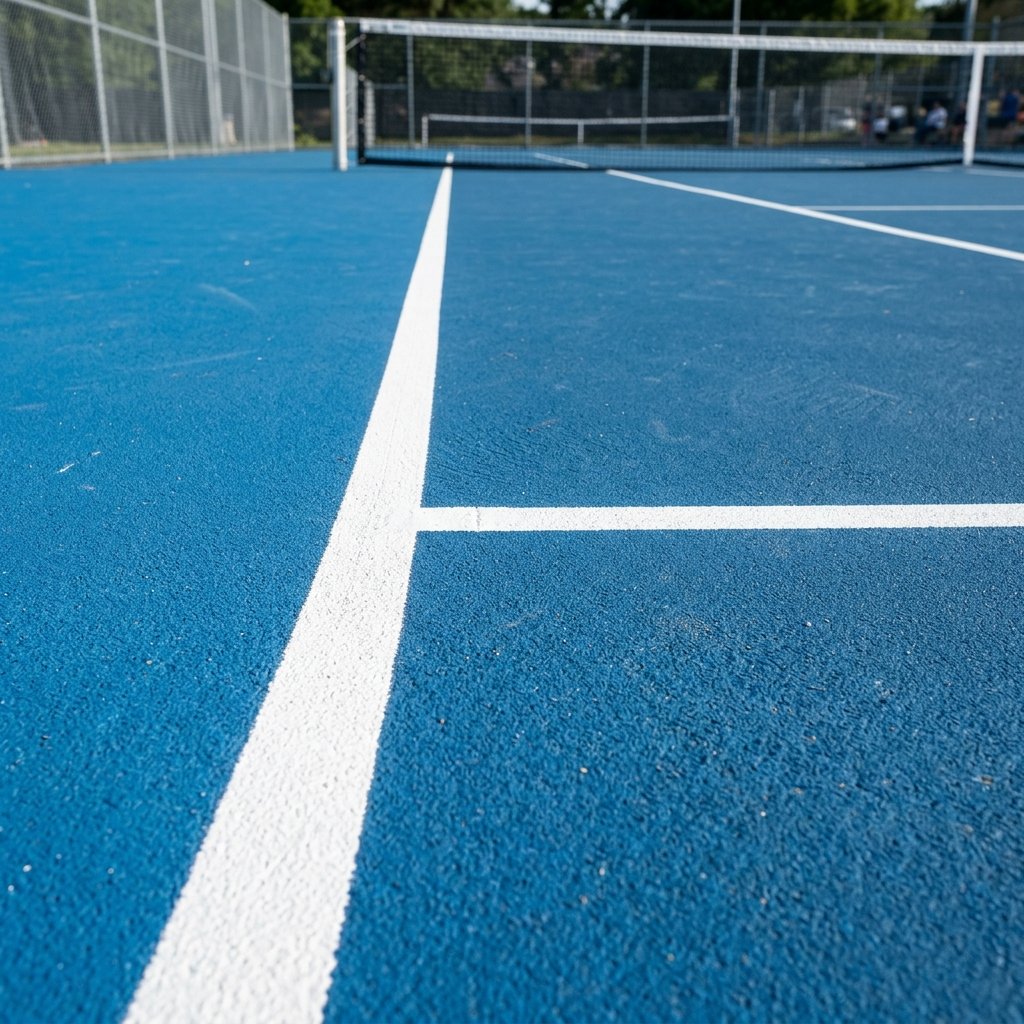
Applying thin paint coats over raw concrete causes zero impact cushioning, leading to player shin splints and inconsistent ball pace.
Installing light-duty net post footings causes posts to pull inward under 500 lbs net cable tension, distorting regulation 3ft center height.
You don't coordinate ten contractors. We engineer and install the complete court facility end-to-end — from concrete sub-slabs to net posts and lighting.
8-to-10 layer ITF Pace-certified acrylic cushion system with SBR rubber shock underlayment for consistent ball bounce.
3.05m heavy-gauge steel posts with brass internal winches, ground sleeves, and heavy-duty polyester mesh net.
4-inch post-tensioned concrete slab with a 0.83% cross-slope to permanently eliminate cracks and puddle spots.
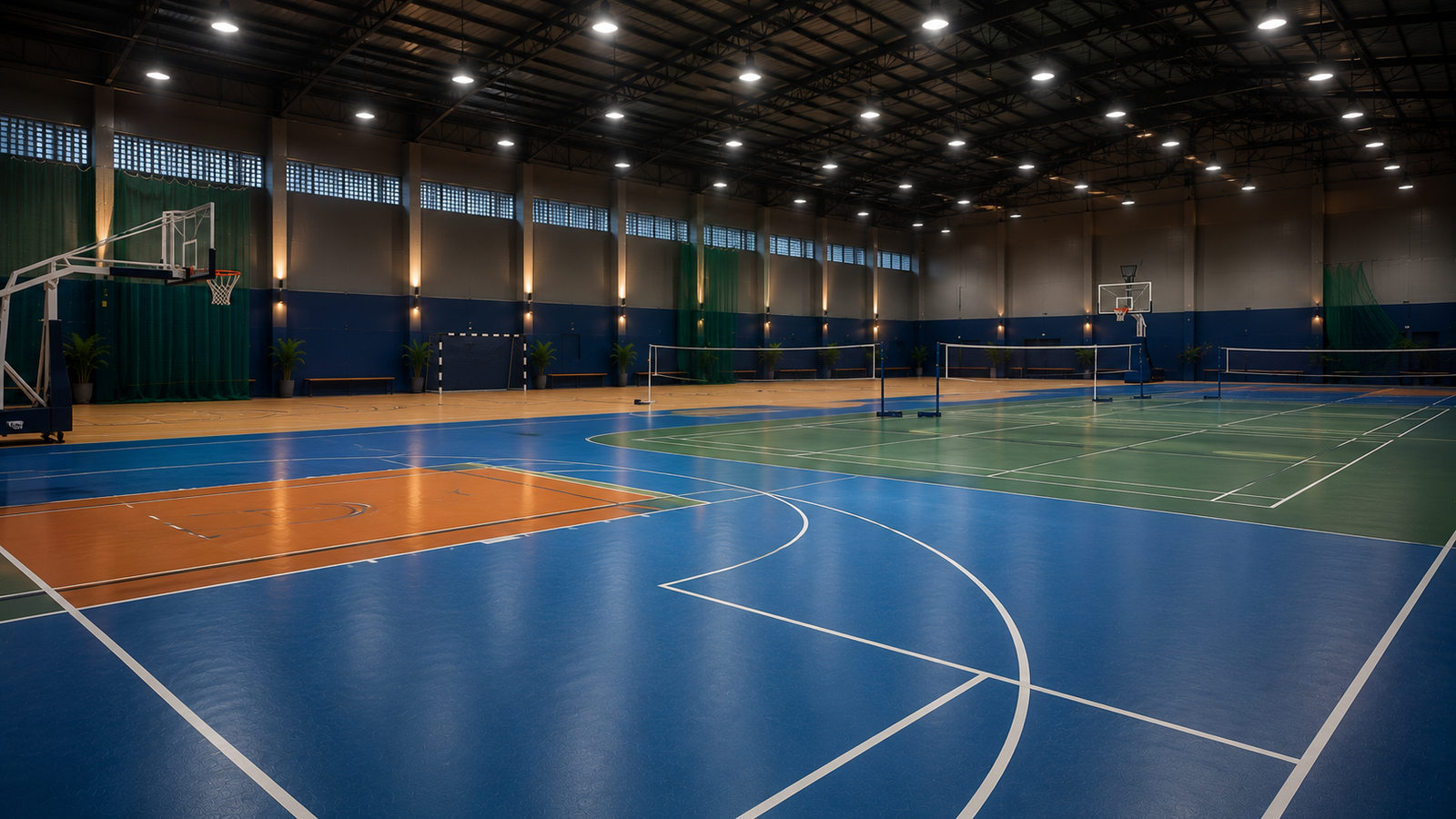
300 Lux–750 Lux LED floodlight towers positioned outside player sightlines to prevent direct glare during high serves.
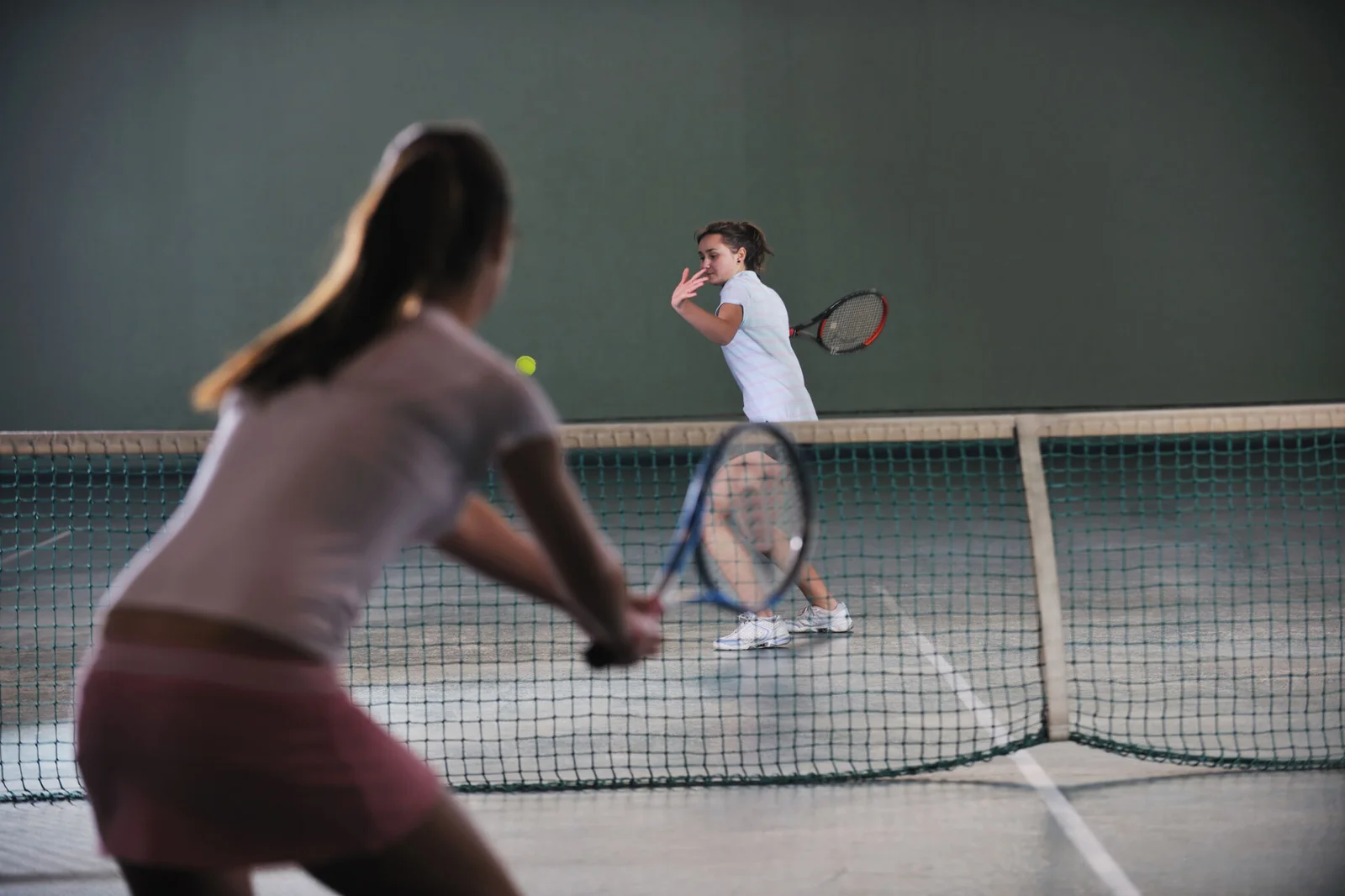
10-12ft PVC-coated galvanized chainlink fencing with high-density anti-windbreak screens for ball containment.
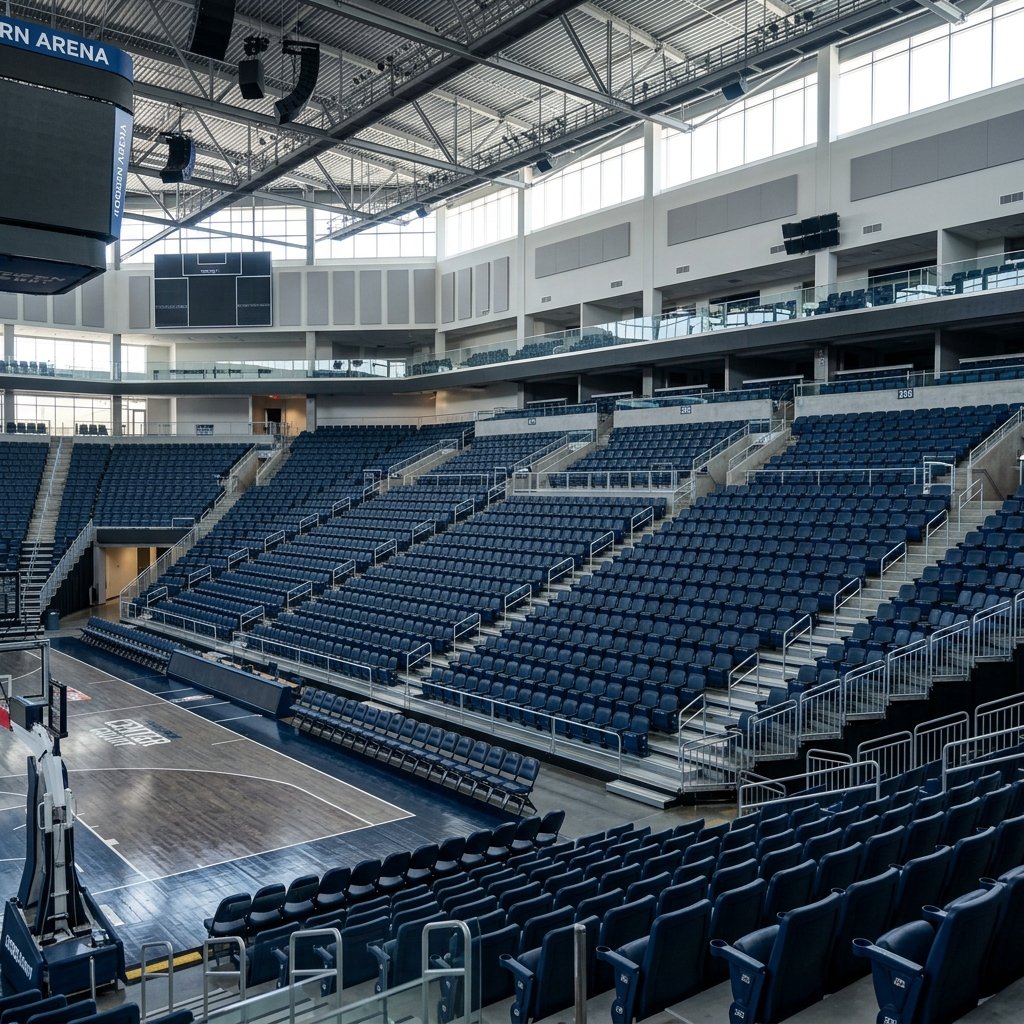
Shaded player team benches, referee elevated stands, change rooms, and spectator viewing galleries.
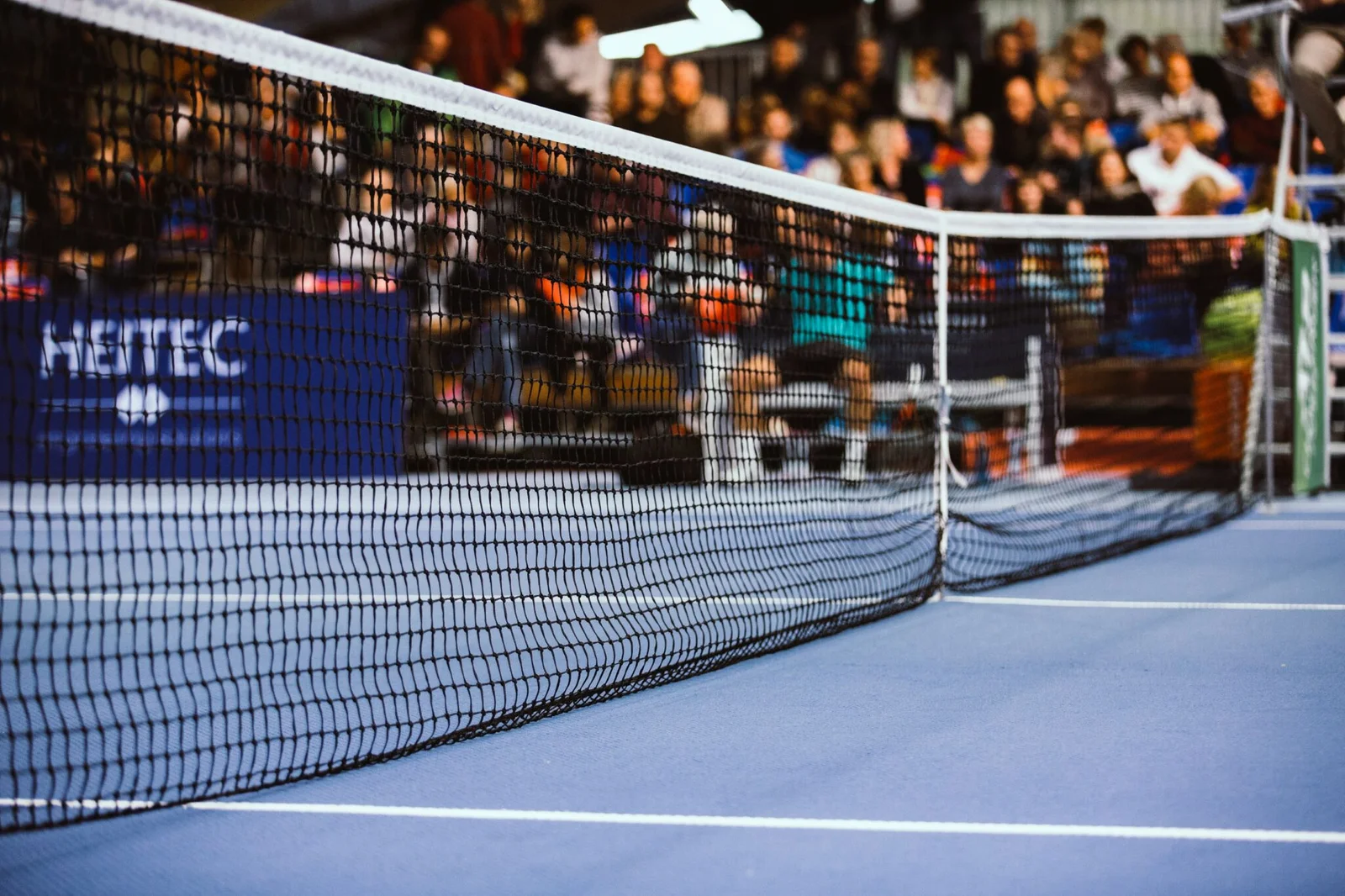
Crisp 2-inch textured line painting for singles/doubles alleys, service boxes, and center strap anchors.
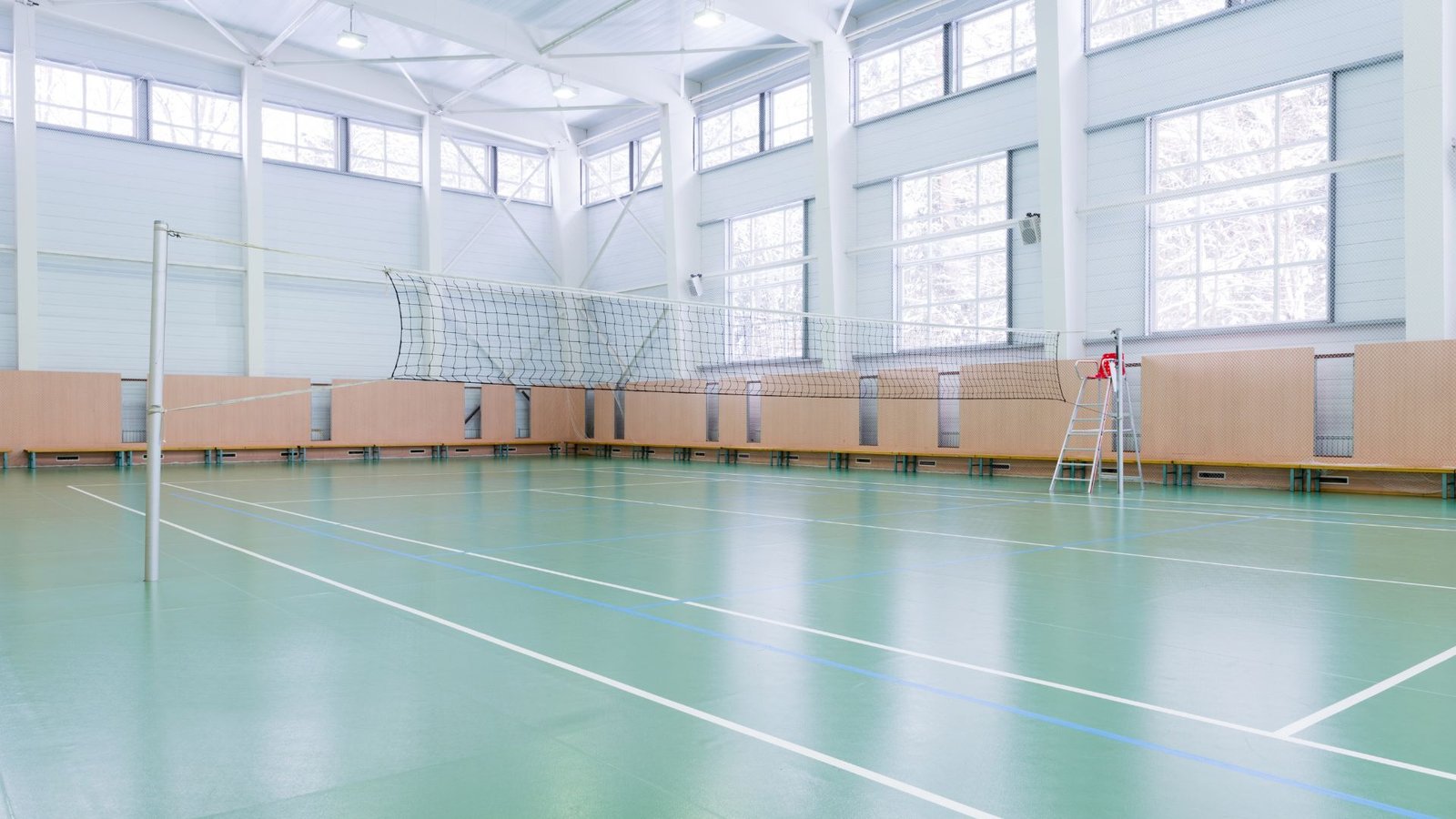
Acrylic surface power-washing, crack filling, topcoat recoating, and annual court maintenance plans.
Our disciplined 5-phase engineering process ensures post-tensioned sub-slab stability, 8-layer acrylic cushioning, and ITF compliance.
Soil compaction testing, laser leveling, and establishing a precise 0.83% cross-slope for storm runoff.
Establishing 78ft x 36ft singles/doubles lines, 21ft baseline run-offs, net sleeve positions, and lighting grid.
Pouring 4" steel-reinforced concrete slab, setting 3.05m net post sleeves, and curing base slab to zero cracking spec.
Applying 8-layer acrylic cushion system, UV-resistant color coats, and 2" textured white game line paint.
Fitting 3.05m net posts, tensioning brass winch net to 3ft center, 500 Lux glare-free lighting check, and handover.
The difference between a specialized court developer and piecing together civil labor, paint contractors, and local fencing shops.
A sample of tennis court facilities delivered turnkey — from association stadiums to resort sports hubs.
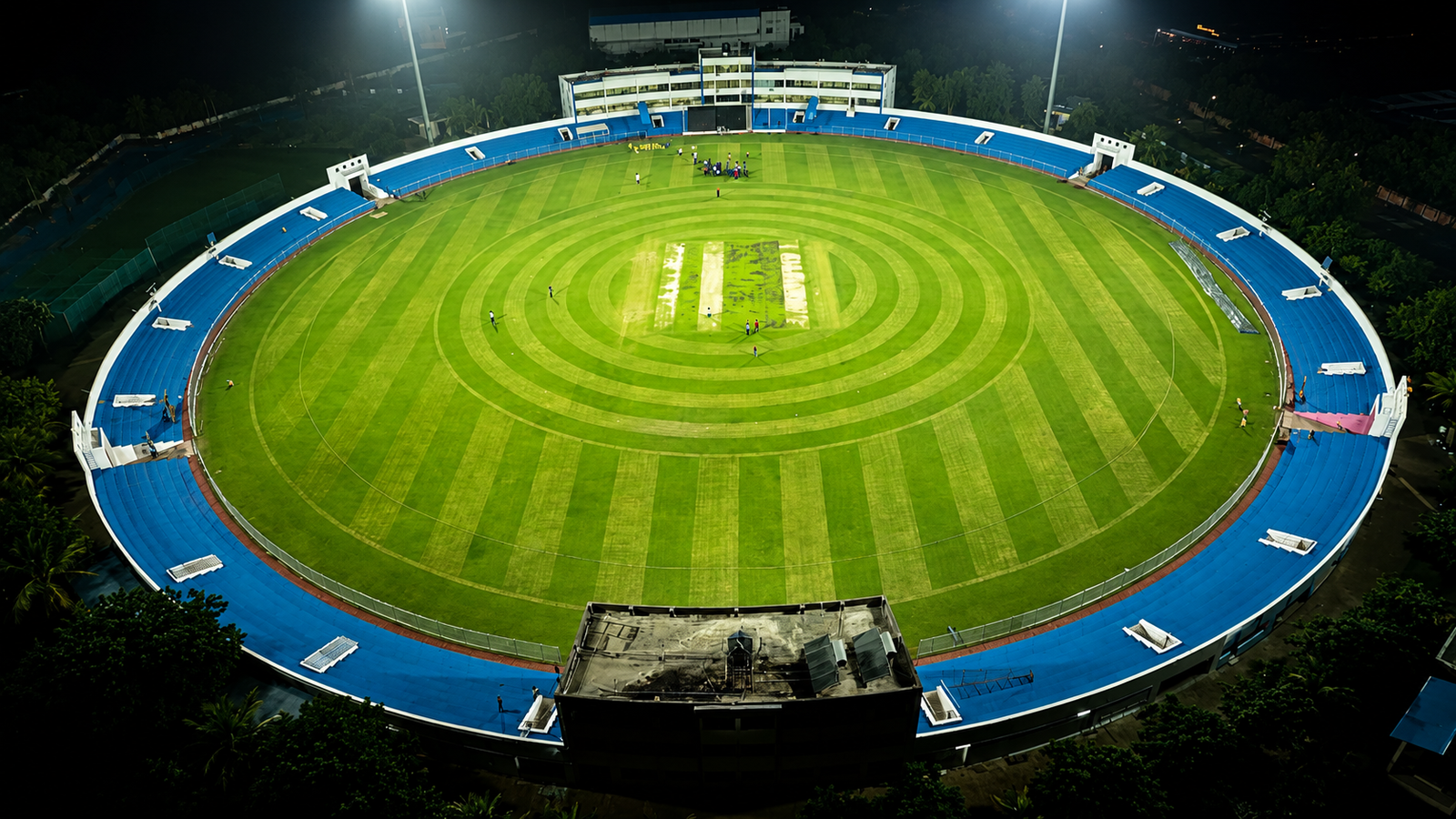
State-of-the-art stadium featuring an ICC-standard pitch, striking LED floodlighting, and robust civil infrastructure.
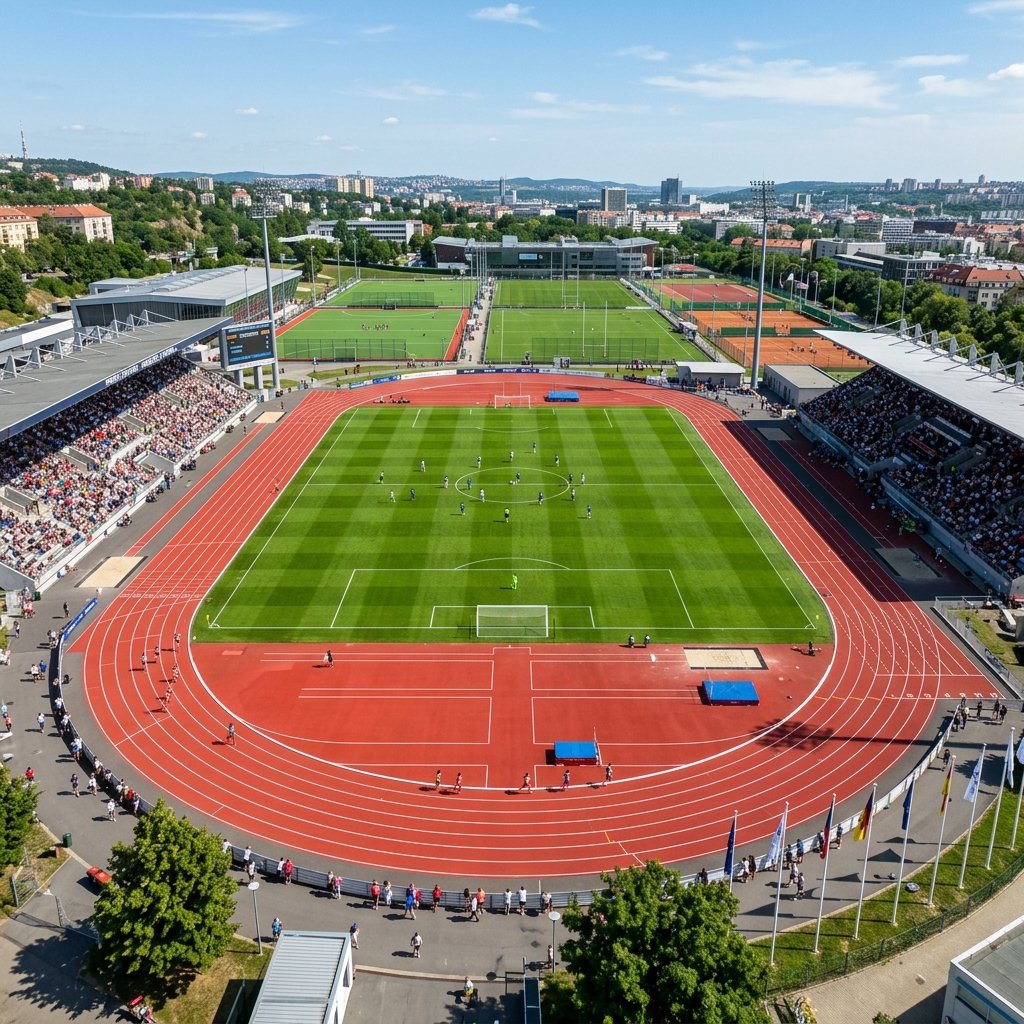
Large-scale stadium build with integrated sub-soil drainage, pavilion, dressing rooms and broadcast-ready lighting.
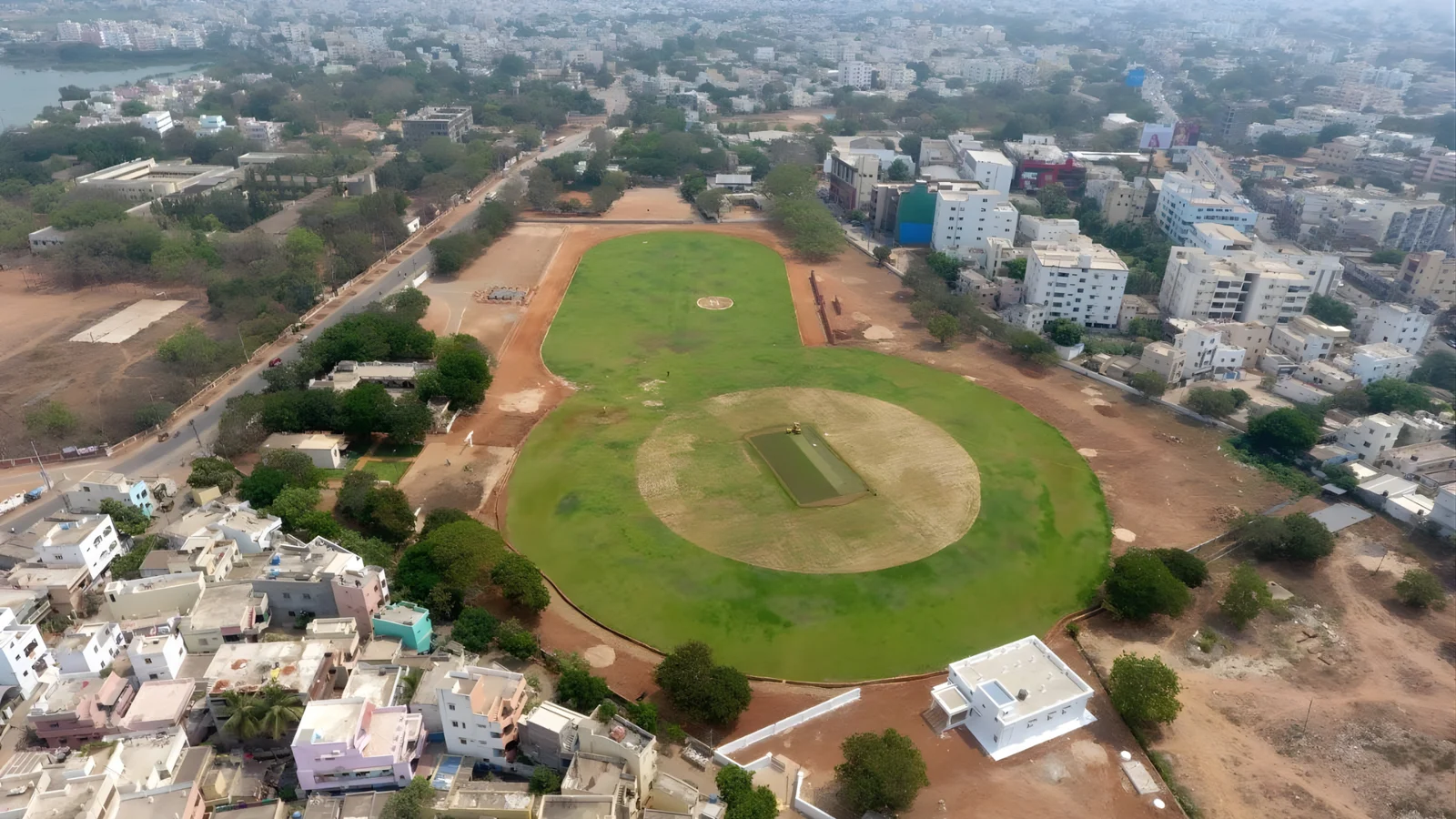
Comprehensive sports facility featuring a main cricket oval, practice nets, and dedicated athlete training amenities.
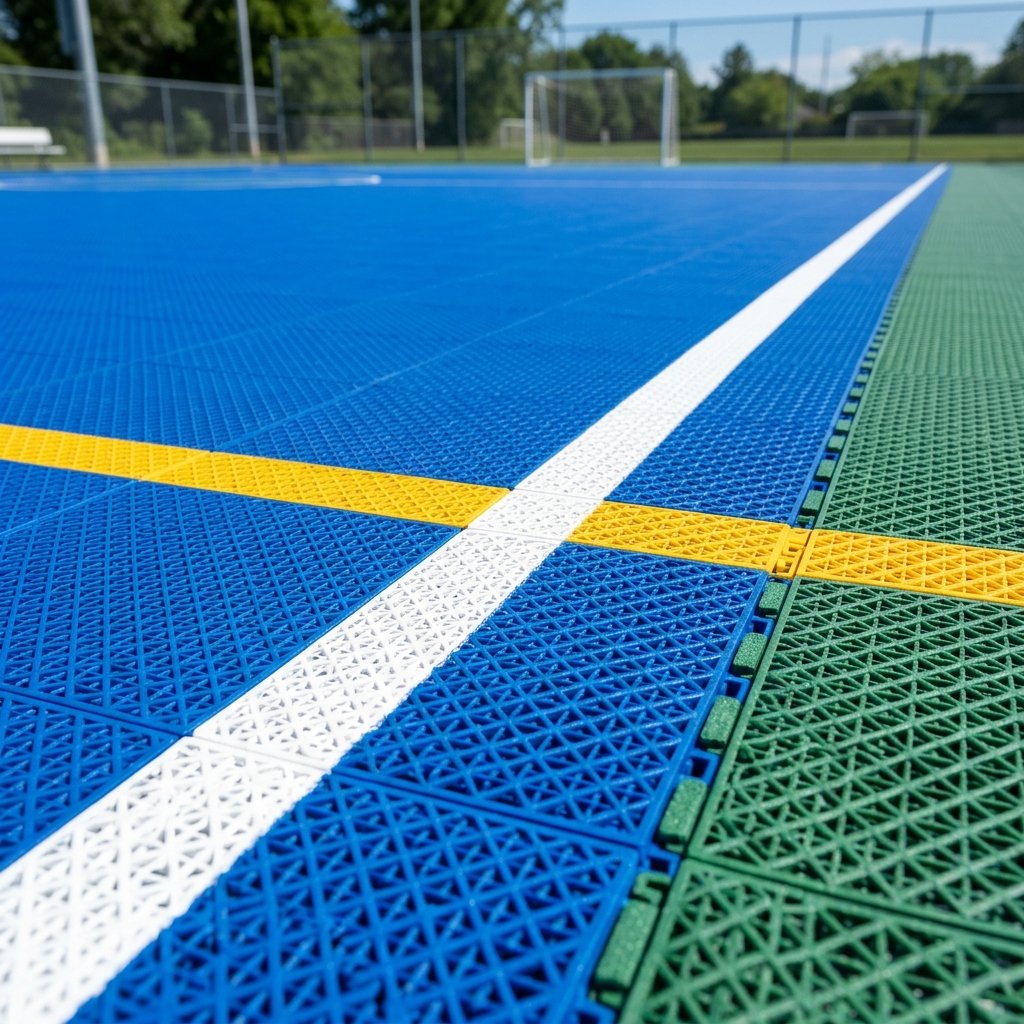
Full turf ground with a multi-strip square, professional practice nets and dedicated coaching zones for a private academy.
The structural precision that separates a court playing true for a decade from one with reflection cracks and dead bounce spots.
Send us your space dimensions and we'll come back with sub-base slope analysis, acrylic cushion layer specs, lighting layout, and a realistic budget band.
Get my free feasibility report
Having witnessed too many sports infrastructure projects fail due to fragmented vendor accountability and poor sub-surface engineering, I founded VBR Group to bring single-point responsibility to sports field construction. From the drainage profile to the final floodlight, we own the outcome — so you can focus on the game.
Match-grade grounds and surfaces built to the standards your sanctioned fixtures require.
Training grounds, courts, and practice facilities that develop players in your colours.
Safe, durable campus facilities that institution-grade sporting programs are built on.
Recreational grounds and courts that give employees a reason to play and stay active.
Signature sports facilities that lift a property's value and anchor a community's sporting life.
Public sports infrastructure delivered to specification, timeline and audited standards.
Every ground we hand over is built to drain, bounce and play to the standard agreed at design stage. If the surface doesn't meet the spec at handover, we set it right — at our cost. That's the whole point of a single accountable team.
A match-grade ground with Court and drainage typically takes 4—7 months including turf establishment. A full turnkey stadium with seating, pavilion and floodlights runs 12—18 months depending on scale. We lock the timeline at design stage.
A standard match ground needs roughly 3—4 acres for the field of play and run-offs. Add spectator seating, pavilion, parking and practice areas and you're looking at 5—8 acres. We confirm the exact fit during the free site survey.
Yes. Court dimensions, clay profile, outfield grading and floodlight lux levels are built to the relevant standards for the level of Tennis Courts you intend to host, so your fixtures can be sanctioned.
Absolutely. Re-laying outfields, reconditioning Courtes and retrofitting drainage into a waterlogged ground are among our most common projects. The survey tells us what to keep and what to rebuild.
Yes — we deliver pan-India and have built across nine states. Our teams mobilise to site, and we account for regional climate and soil in the design.
A ground is a living surface. We hand over with a groundsmanship plan and offer ongoing maintenance — mowing, aeration, top-dressing, Court care — so the surface keeps playing true for years.