Explore the latest trends in sports infrastructure development
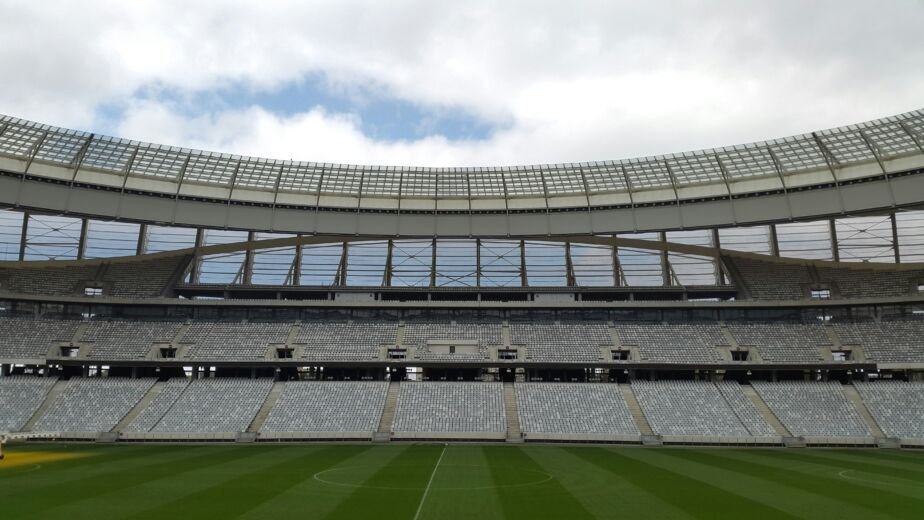
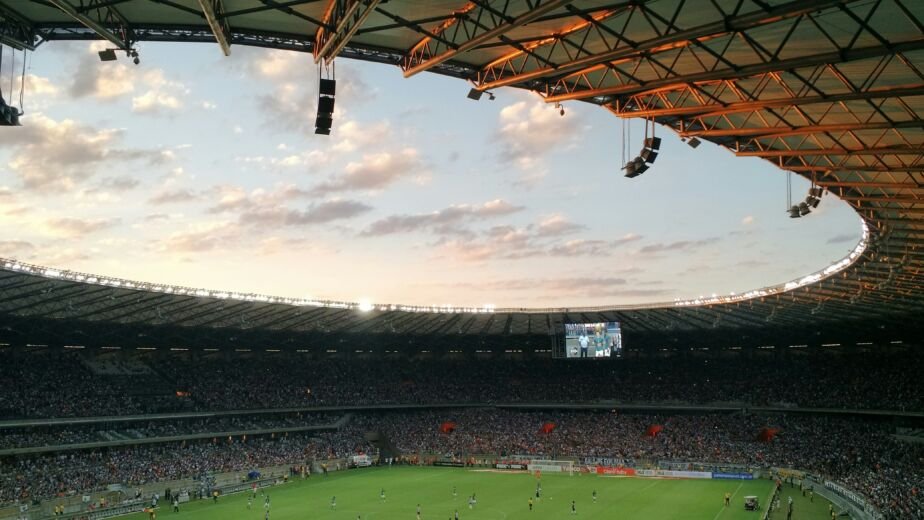
Sports infrastructure is evolving. Modern facilities no longer focus solely on construction—they emphasize technology, sustainability, and athlete-centric design. These trends are shaping how sports academies, stadiums, and recreational areas are built, maintained, and upgraded.
Understanding these trends is crucial for clubs, schools, and sports authorities aiming to create world-class facilities.
Sustainable & Eco-Friendly Materials
Sustainability is a top priority in modern sports infrastructure:
- Eco-Friendly Turf: Synthetic fields made with recycled materials reduce environmental impact.
- Water-Efficient Irrigation: Smart irrigation systems minimize water use while keeping natural and synthetic fields in top condition.
- Energy-Efficient Design: Use of solar panels, LED lighting, and optimized layouts reduces the carbon footprint.
These green initiatives cut operational costs, enhance community image, and align with global sustainability goals.
Smart Technology Integration
Technology is transforming sports facilities, offering insights that were previously impossible:
- Sensors and IoT Devices: Monitor field conditions, soil moisture, and usage patterns.
- LED Sports Lighting: Adjustable brightness and energy efficiency improve performance and reduce costs.
- Automated Maintenance: Robotics and software streamline mowing, irrigation, and field inspections.
Smart sports infrastructure not only improves athlete experience but also simplifies management for facility operators.
Multi-Purpose Sports Facilities
Modern sports facilities are increasingly multi-functional, catering to different sports and events:
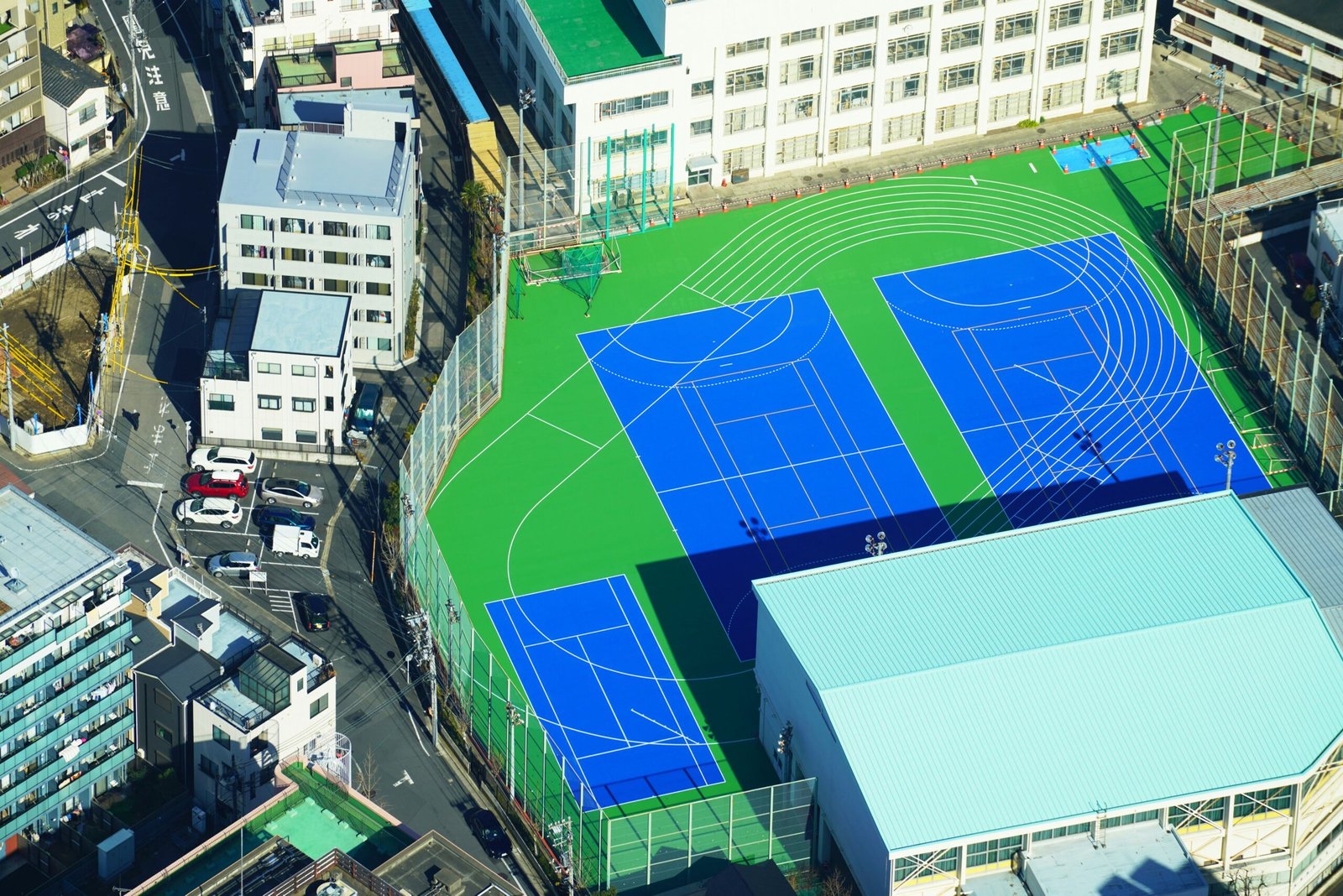
- Flexible layouts allow football, cricket, and athletics to share space.
- Retractable seating and movable equipment enhance adaptability.
- Space optimization reduces construction costs and expands usage opportunities.
Indoor & Covered Sports Infrastructure
Indoor or covered facilities ensure athletes can train year-round, regardless of weather conditions. Benefits include:
- Consistent practice schedules
- Reduced injury risks from wet or uneven surfaces
- Controlled climate conditions for optimal performance
Conclusion
The future of sports infrastructure lies at the intersection of technology, sustainability, and flexibility. Facilities designed with these principles provide superior athlete experiences, efficient operations, and long-term value.