
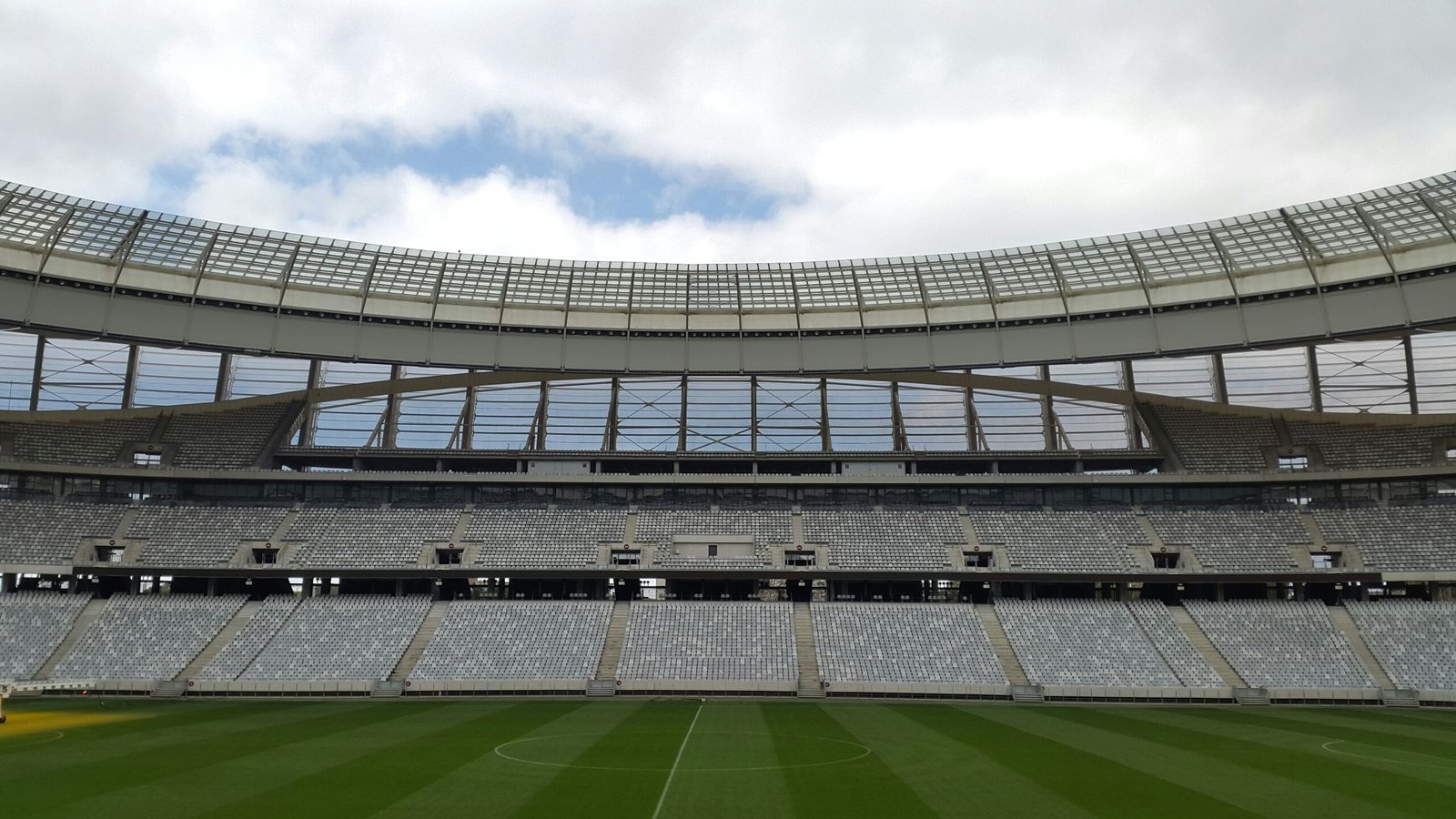
Sports infrastructure isn’t just about building a field or a court—it’s about creating environments that enhance performance, ensure safety, and last longer. From running tracks to multi-sports fields, every aspect of design and construction impacts athletes’ outcomes.
Why Engineered Sports Infrastructure Matters
Sports infrastructure is not just about aesthetics or marking boundaries—it directly impacts athlete health, performance, and experience.
- Performance Enhancement: Optimized surfaces reduce fatigue, improve traction, and enhance game performance.
- Safety First: Engineered infrastructure minimizes injuries caused by uneven surfaces, poor drainage, or inadequate lighting.
- Compliance and Standards: Following international and national guidelines ensures facilities are suitable for competitive play.
- Longevity: High-quality construction and material selection result in durable infrastructure, reducing maintenance costs.
Key Elements of High-Performance Sports Infrastructure
1. Playing Surfaces
The surface is the foundation of any sports facility. Depending on the sport, surfaces can include:
- Natural Grass: Ideal for football, cricket, and outdoor sports. Requires precise soil and drainage engineering.
- Synthetic Turf: Durable and low-maintenance, suitable for multi-sports fields.
- Indoor Courts: Materials like polyurethane or acrylic improve ball bounce and athlete grip.
2. Lighting Systems
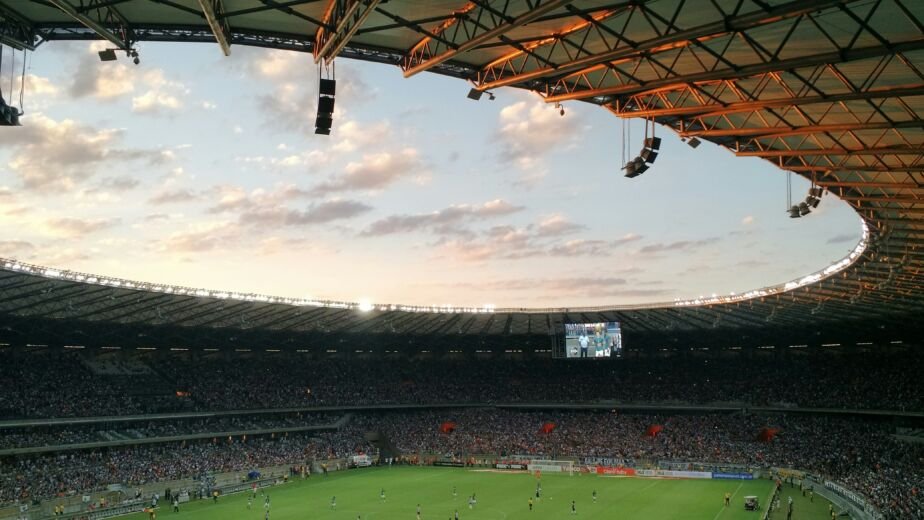
Proper lighting ensures visibility, performance, and safety, especially during evening or indoor games. Modern sports lighting focuses on:
- Energy efficiency with LED systems
- Uniform illumination without glare
- Adjustable intensity for training or competitive matches
3. Drainage & Soil Engineering
Waterlogging or uneven soil can ruin games and increase injury risk. Engineered fields incorporate:
- Proper grading and slopes to manage runoff
- Subsurface drainage systems to prevent accumulation
- Soil composition tailored for each sport
4. Support Facilities
High-performance sports infrastructure includes more than just fields:
- Locker rooms and changing areas
- Spectator seating and accessibility pathways
- Practice and warm-up areas
- Medical and physiotherapy zones
Case Studies: Real-Life Applications
- Professional Cricket Grounds: Engineered pitches designed for consistent bounce and resilience.
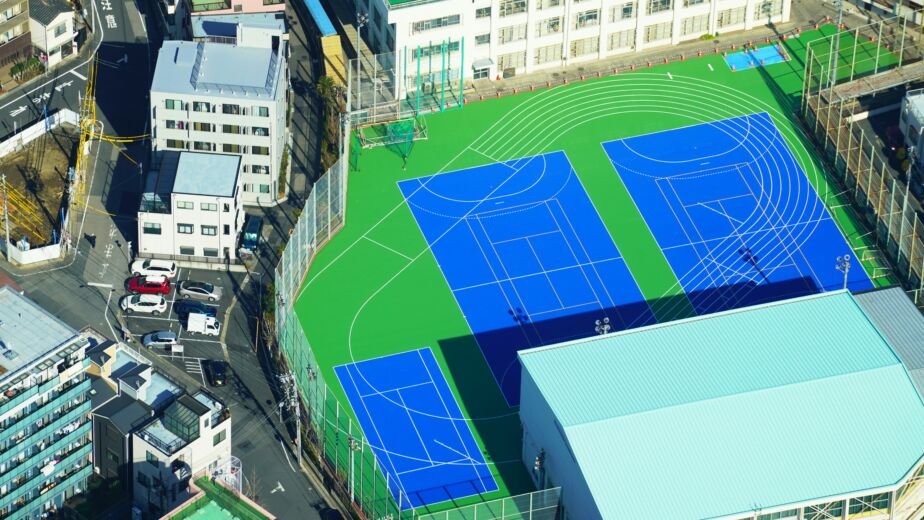
- Multi-Sports Academies: Flexible infrastructure that supports football, tennis, and athletics on the same campus.
- Indoor Training Centers: Climate-controlled, injury-preventive surfaces for year-round training.
Conclusion
Investing in engineered sports infrastructure is essential for modern sports. It’s not only about building fields—it’s about creating safe, high-performance environments that empower athletes to reach their full potential while ensuring durability and operational efficiency.

2 Comments
David Johnson
Sed maximus felis vel ultrices lacinia. Curabitur ac quam eu risus lobortis malesuada nec sed nisl. In neque purus, vestibulum nec neque a, sollicitudin tempor lacus. Cras scelerisque finibus augue, sit amet tempor augue cursus condimentum. Pellentesque justo erat, placerat vel pharetra vel, hendrerit eget nisl.
Michael Brown
Aenean arcu metus, suscipit ac sagittis vel, varius vulputate purus. Vestibulum eget felis at ipsum suscipit elementum eget a nulla. Curabitur auctor dignissim vestibulum. Praesent vel imperdiet nunc, sit amet venenatis sapien. Aenean quis varius nibh, vel egestas metus. Aenean blandit varius lacinia. Praesent imperdiet egestas aliquet. Integer luctus ex quis feugiat malesuada.